Five reasons why the IRS will audit you
Published: May 26, 2026 · By RRBB
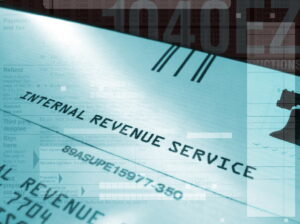 Each year, the IRS audits over one million tax returns. With agency resources shrinking, the IRS is more selective when choosing which tax returns to audit. Knowing what the IRS is looking for can help you understand and reduce your audit risk. So, here are five of the biggest reasons why the IRS may choose to audit your return.
Why the IRS Will Audit
- Your income is high or low. The reasoning is simple: higher earnings may lead to larger errors, and lower earnings may lead to incorrect deductions. The adjusted gross income (AGI) range with the least audit risk is $25,000 to $200,000. As your income moves toward the extremes in either direction, the chance of an audit increases.
- You fail to report all your income. The IRS Automated Underreporter Program matches W-2 and 1099 information with the information you report on your tax return. When a mismatch occurs, expect to receive an automated CP2000 notice from the IRS that notifies you of the discrepancy and the additional tax due. And remember, even if you do not receive a 1099, you are required to report any income.
- You own a business. Rules regarding business deductions are confusing and constantly changing. The IRS knows this. Incorrectly deducting personal expenses or having your business classified as a hobby, thereby eliminating deductions, can get you in trouble with the IRS. Cash-heavy businesses are under increased scrutiny due to higher rates of fraud. Solid tracking processes and good records are necessary for income and expense substantiation.
- You make a math error. The IRS issued over 1 million math error notices in 2024, the most recent year for which statistics are available. The biggest culprits were tax liability and credit calculations. Math errors can create a two-fold problem for you. Additional tax owed and more scrutiny applied to other parts of your tax return.
- You claim the earned income tax credit. According to the IRS, up to 33% of EITC payments are paid in error. Numbers that large are sure to get the IRS’s attention. Confusion over eligibility and calculation errors are mostly to blame.
What to do when audited
While some risk factors are beyond your control, you can minimize many. If you are selected for an audit, don’t handle it alone; please contact our RRBB advisors.
RRBB eNEWSLETTER
Get free tax planning and financial advice